EU tightens building efficiency: Why intelligent lighting is now a must-have
- Press
EU strengthens building efficiency: Why intelligent lighting is now a must-have Short teaser: The EU has adopted the building directive…

Since September 2023, the ban on the sale of fluorescent tubes has taken effect. This throws the entire lighting industry into turmoil – especially for operators of large facilities in logistics, industry, and production. But don't worry, it's not as gloomy as it sounds.
We explain what the ban entails and how companies can successfully switch to alternatives.
The EU directive Restriction of Hazardous Substances in Electrical and Electronic Equipment (RoHS) Basically, it prohibits the use of hazardous substances in electrical and electronic devices. This includes, for example, mercury, which is still present in many light sources and poses a risk to health and the environment due to its neurotoxic effects.
Since September 2021, affected light sources are therefore no longer allowed to be placed on the market. However, until recently, various exceptions for this purpose had been in place. T5 and T8 fluorescent lamps, compact fluorescent lamps and lamps with special purpose, However, these were finally lifted on February 25, 2024. Since then, absolute Production ban. With this, the EU wants to promote more efficient products and reduce energy consumption.
Light sources that do not meet the EU minimum requirements may no longer be produced – however, the remaining stock may still be sold and used. However, this also means that in the long run, the replacement bulbs will run out for fluorescent lamps, also known as neon tubes.
The European Union has banned fluorescent lamps since 2021 Gradually banned. The most significant changes occurred in 2023. Since then, the marketing of
One exception, however, remains: For another three to five years, they are allowed to HPD lamps and lamps for special applications to be manufactured.
Currently, around 300 people are still using it. 65 percent German companies use energy-intensive fluorescent tubes. This means that a timely changeover The lighting systems must take place.
Because the stock of fluorescent tubes is limited, consumers should now buy them in alternative lighting solutions invest in them to avoid running out of replacement fluorescent tube parts.
With the ban on sales, however, changes also come with benefits for end consumers and the economy. The transition to more efficient and safer lighting devices has positive consequences for households and businesses – because with the help of new lights, enormous amounts of energy can be saved here.
Despite the ban on the sale of fluorescent tubes, there is light at the end of the tunnel: LED light sources. A 1:1 exchange principle with retrofitted LED lights is one of the alternatives to fluorescent tubes.
LED lights provide the same several advantages:
LED lamps are cheaper to maintain and have lower running costs than fluorescent tubes. Furthermore, they excel with their low energy consumption, Because they illuminate longer and more efficiently.
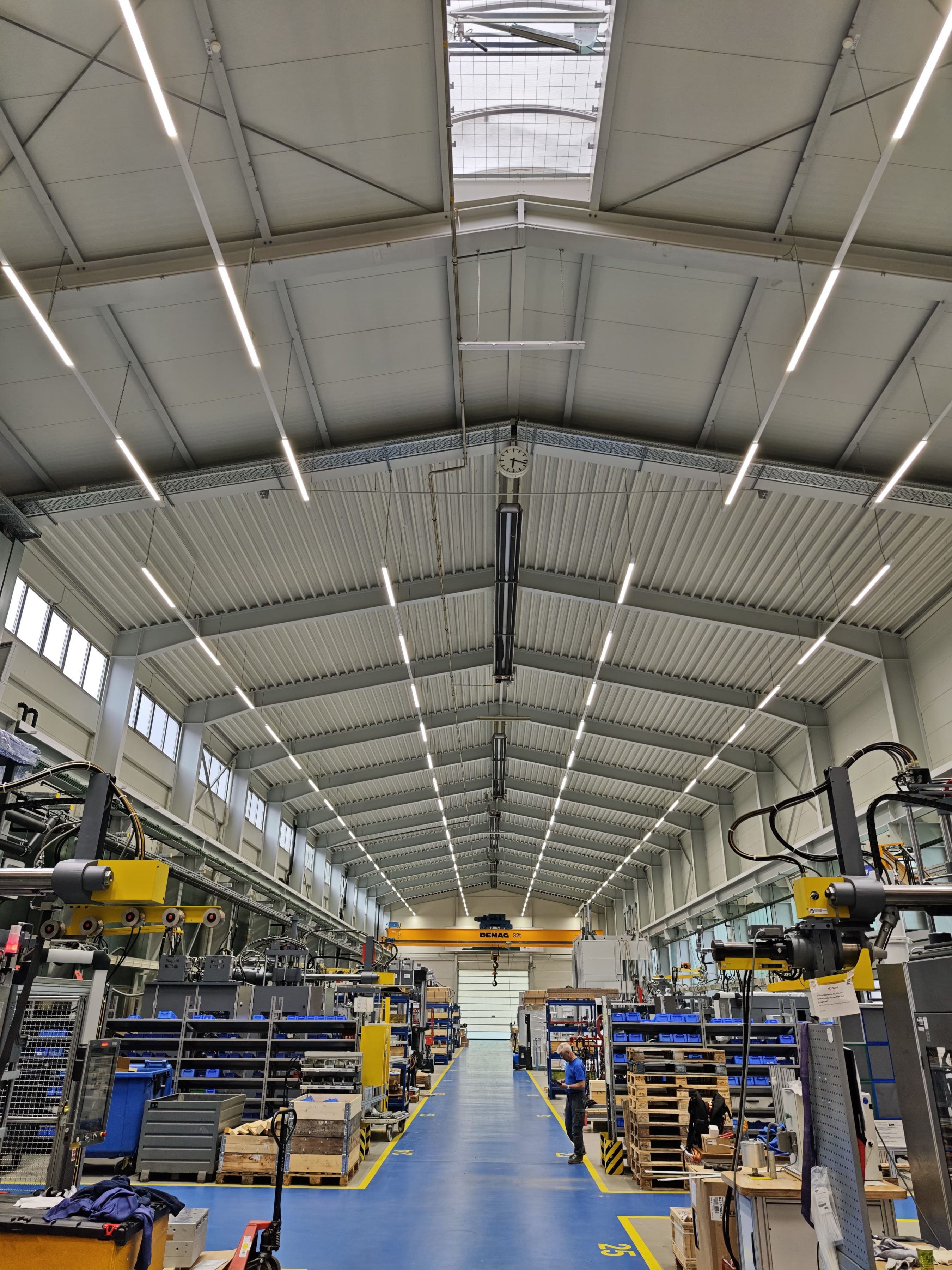
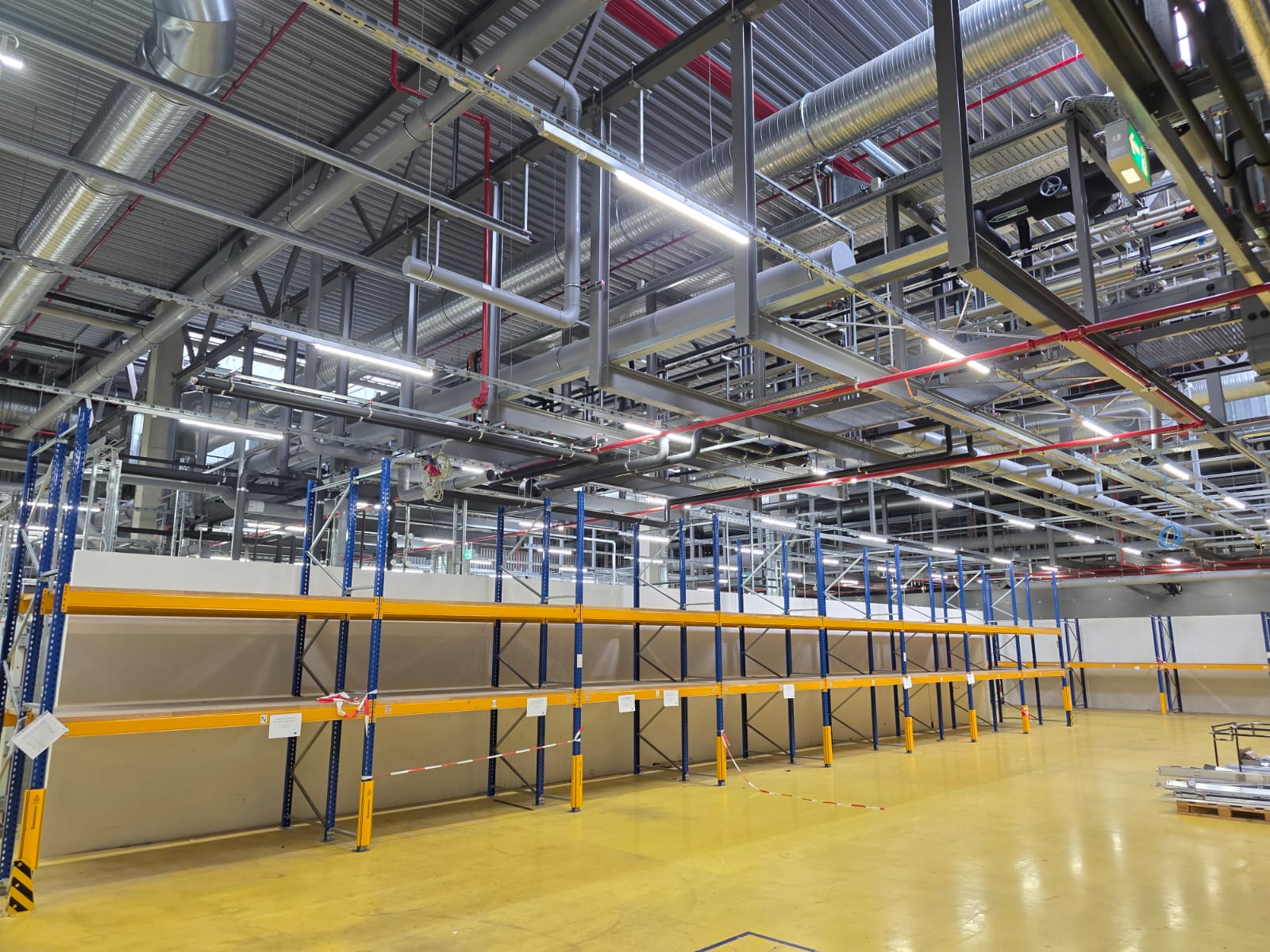
They are ideal for anyone who wants to save even more energy. Smart LED lights. These respond to absences thanks to integrated sensors and only light up the room when they detect movement and activity. This way, hall sections are targetedly illuminated and energy consumption is reduced.
A complete conversion to LED lighting systems may at first sound daunting to consumers and businesses, but thanks to Competent advice No major hurdle. We at welight intelligently support you as qualified industry experts throughout the entire conversion process, which we coordinate exactly to the specific application case and use purpose in close consultation with the customer.
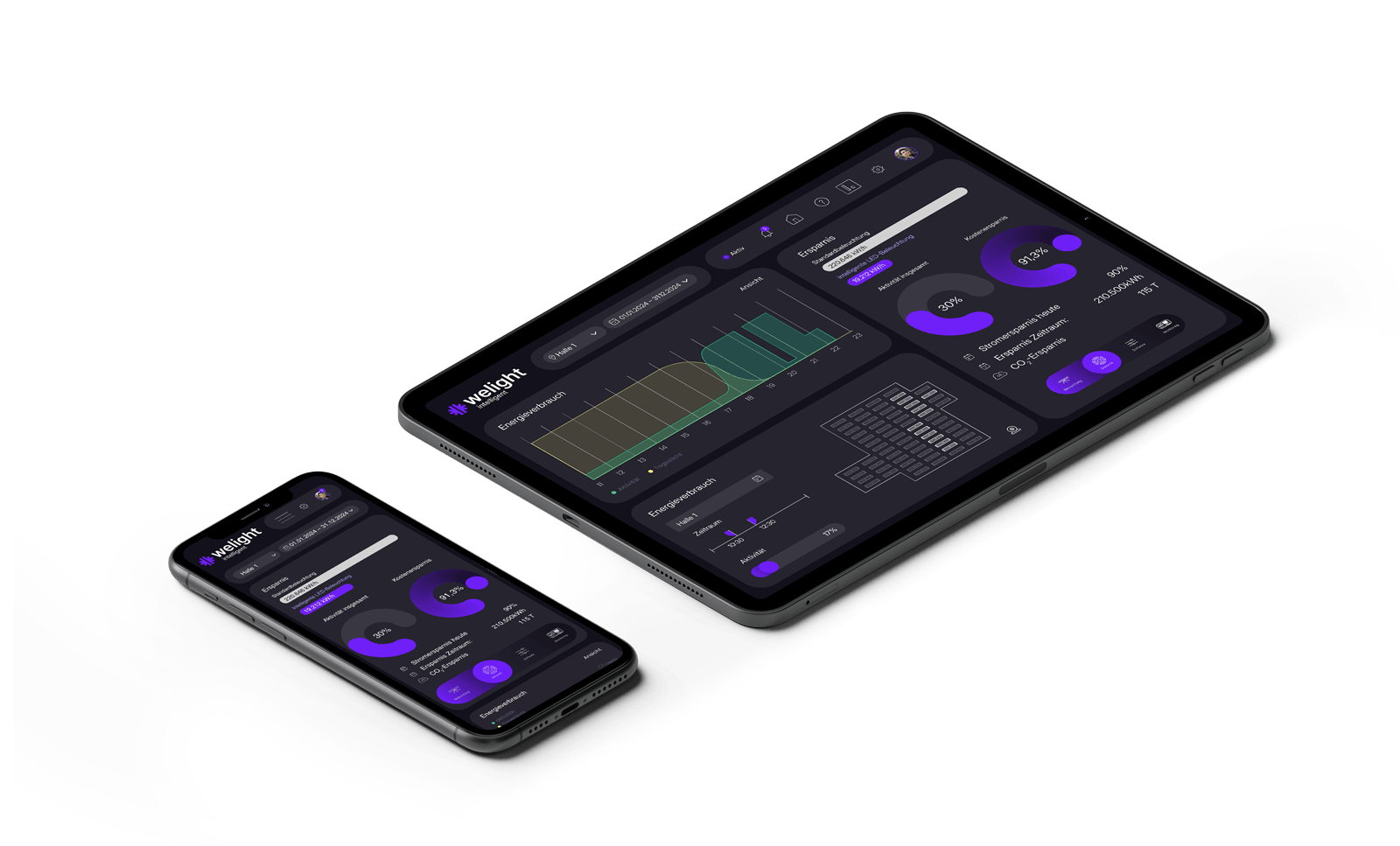
Our lights think: By automatically switching on and off depending on the activity in the environment to be illuminated, our intelligent lighting systems save even more energy compared to conventional lights. up to 90 percent of energy costs One. Another advantage of the welight lighting systems: Unlike fluorescent tubes, the light intensity of our lights can be adjusted to suit individual needs and work processes, while remaining daylight-like in appearance.
The ban on the sale of fluorescent tubes therefore does not mean the end of lighting. With competent, customer-oriented advice, we help companies invest in a radiant future today.
You can find more information about technology here. here.