EU tightens building efficiency: Why intelligent lighting is now a must-have
- Press
EU strengthens building efficiency: Why intelligent lighting is now a must-have Short teaser: The EU has adopted the building directive…

Energy is a valuable resource for the economy. This is evident not least from the fact that industry is one of the sectors in Germany that has the highest growth rate among all economic sectors. highest power consumption recorded.
However, the high energy consumption leads to harmful effects on the environment. Because the use of fossil fuels represents a major interference with our ecosystem. Renewable energies also have a certain impact on the environment, as, for example, land is needed to build wind farms and forests must often be cleared to make space for them.
To use energy efficiently and sustainably, it is therefore recommended to: Energy efficiency measures to reduce consumption. A frequently overlooked aspect: the electricity costs incurred by the lighting in large halls.
ESG, Climate Protection Act – what requirements are there?
There is the so-called Environmental Social Governance (ESG), which sets the standards for sustainable business practices. This results in legal regulations such as the Sustainable Development Goals. These include 17 global goals that the United Nations countries committed to in 2015. These also include the goals for affordable and clean energy.
This means that companies give up on fossil energy sources and instead turn to alternative and environmentally friendly energy sources to – in order to advance climate protection worldwide.
Out of this goal, the project was created in 2019 the German Climate Protection Act, which sets new targets for reducing CO2– and emissions amounts are formulated. It does not matter whether a company is required to report these figures or not: Expectations for transparency, especially regarding sustainability, are often high on the part of society and customers.
Small steps, big savings
There are such savings targets at the EU level as well. The current Energy efficiency directive (EED) has been in force since October 10, 2023 and defines the EU energy efficiency targets. The directive distinguishes between primary energy, which is the energy content of the energy carrier such as coal, biomass or natural gas, and final energy, which is the amount of energy that arrives at the consumer later.
The EU’s energy efficiency targets include reducing primary and final energy consumption to 11.7 percent by 2030 compared to 2020. This corresponds to a cap of 993 million tons of crude oil equivalent for primary consumption and 763 million tons for final consumption.
This in turn results in the Energy Efficiency Act (EnEfG) for Germany, which has been officially in effect since November 2023: Compared to 2008, the nationwide Energy consumption by 2045, according to the directive, will gradually increase by 45 percent to 1,400 terawatt-hours fall.
The law is sector-wide, thus applying to both companies and the public sector as well as to data centers.
Lights off, energy saving on
In addition to well-known measures such as Lowering the minimum temperature in rooms and the Optimization of heating systems Is there a hidden champion among energy saving tips for companies in the production, logistics and industrial sectors: Turn off lighting systems when they are not in use.
How can this be done? Efficient lighting systems like those from welight intelligent are perfect for this purpose.
Smart lighting brings light into the darkness
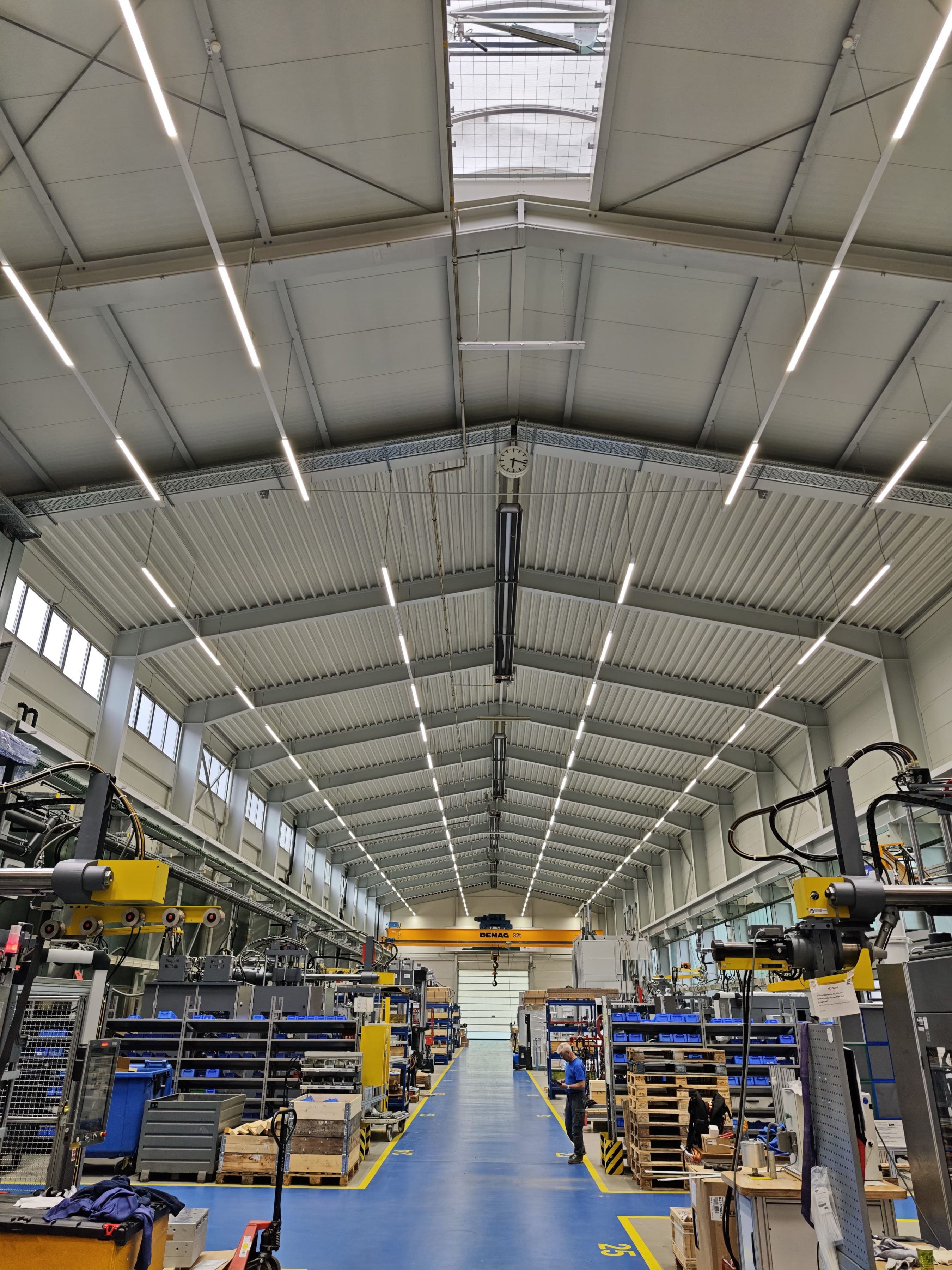
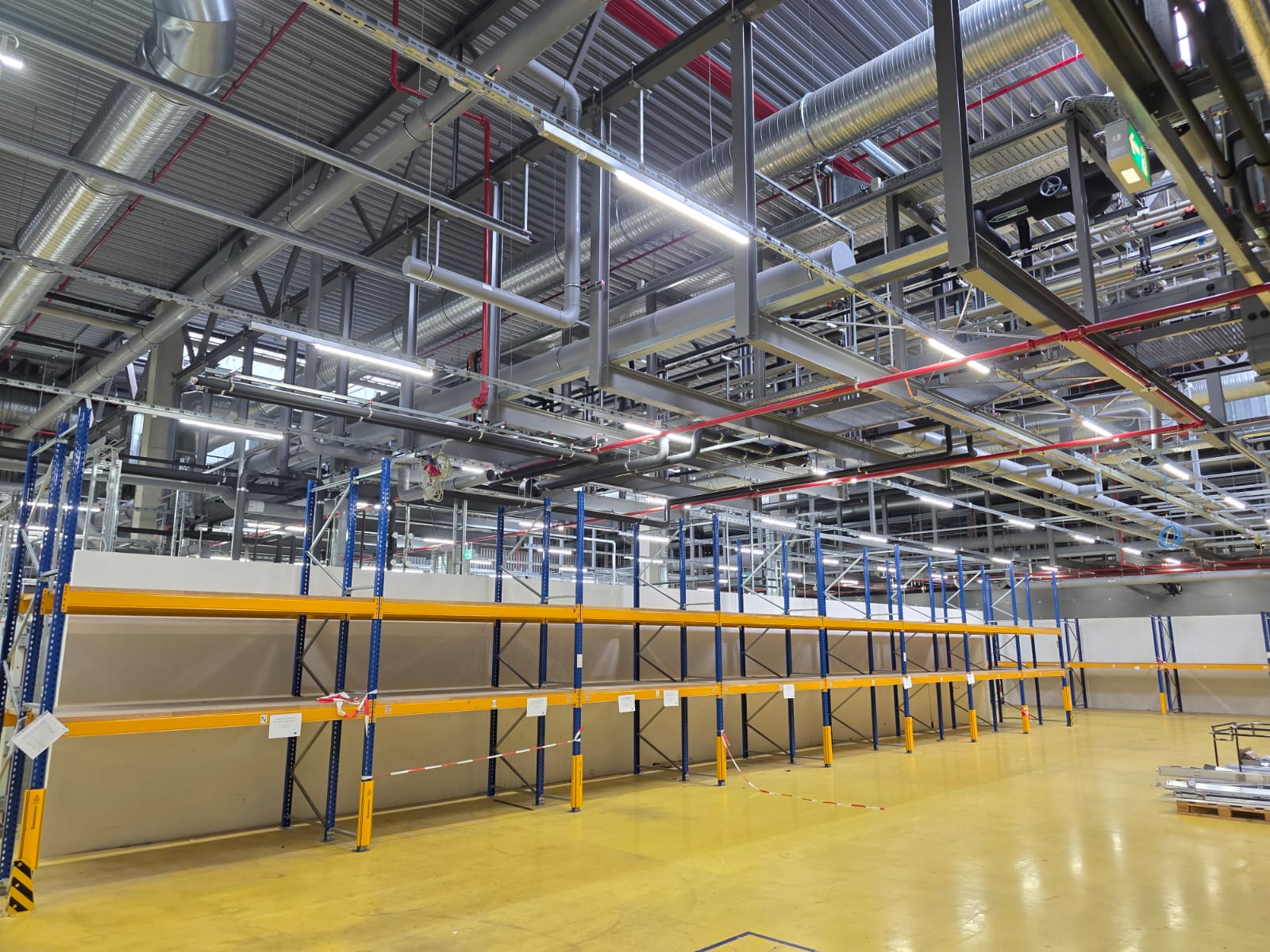
The Lighting plays a crucial role in energy efficiency is often underestimated: Just under 65 percent of companies in the DACH region They still illuminate their warehouses with energy-intensive, conventional lighting solutions.
Everyone knows the rule of thumb: When leaving a room, you turn off the lights. However, in the warehouse, manually switching on and off using a switch is not always effective or optimal, especially in areas with many employees. A sensible solution consists in:, only illuminating the area that is actively being used.
Intelligent sensors in the welight intelligent lights sense movement and activate the light where people or driverless transport systems such as AGVs are located. When the sensors no longer detect any activity, they deactivate the light in the corresponding hall area.
A glimmer of hope for users and the environment
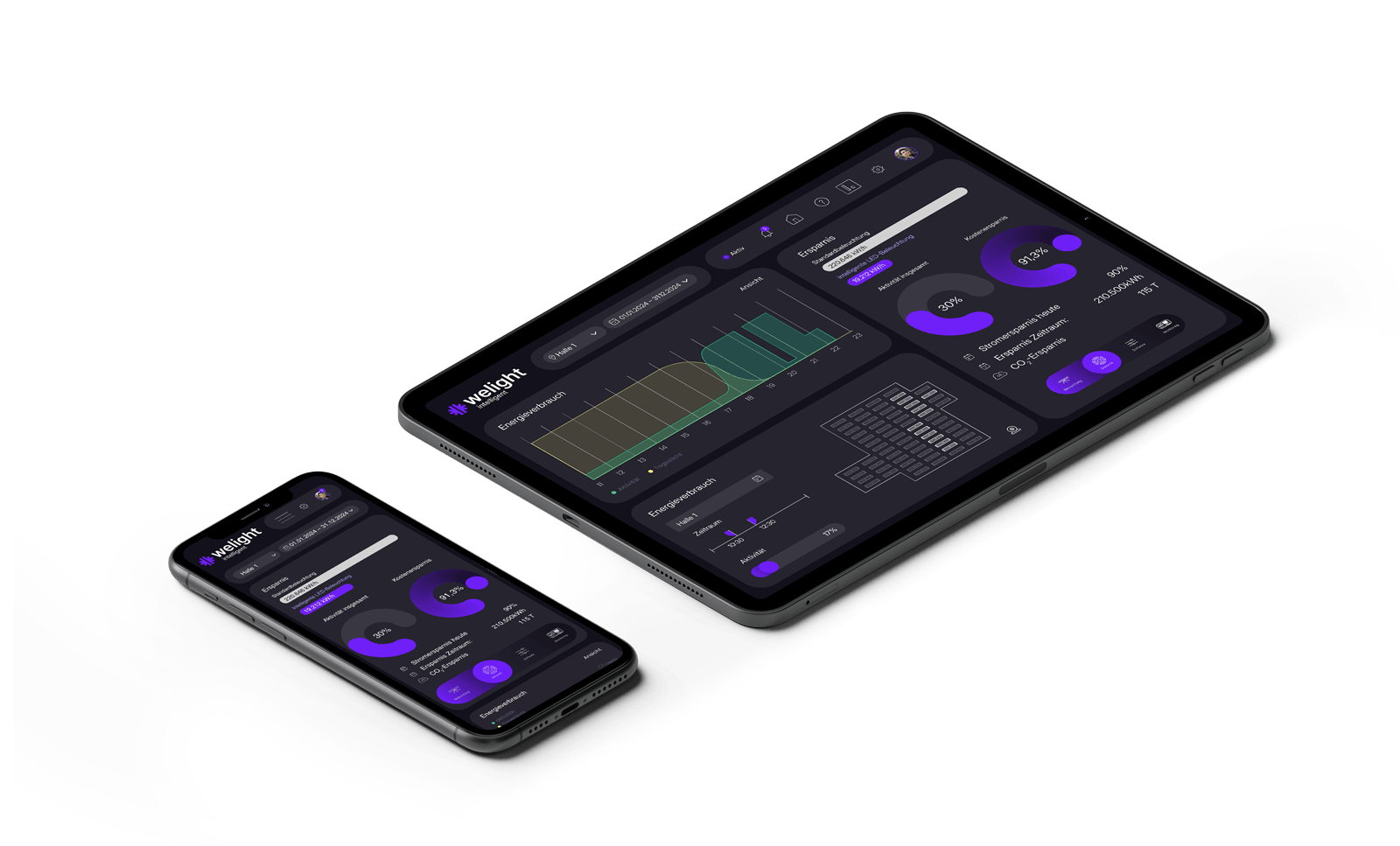
Compared to conventional lighting, this type of efficient lighting saves immense costs of up to 90 percent. Moreover, the light quality improves dramatically.
Through individually balanced lighting intensities, the light can be adapted to the needs of the working situation. This leads to better illumination of the work areas. This not only offers ergonomic benefits but also has an impact on occupational safety.
And the environment also benefits from it. light sources that are economically and ecologically profitableThe product portfolio of welight intelligent includes future-proof industrial lighting solutions that even exceed the requirements of EU directives.
Also: With our intelligent lighting, companies can reduce their CO2-Significantly reduce the footprint on the path to greater sustainability.
Here we show you how we can jointly follow this path and which of our solutions will light up your path: Discover our comprehensive lighting range – welight intelligent